
Lesson Rationale: Vocabulary
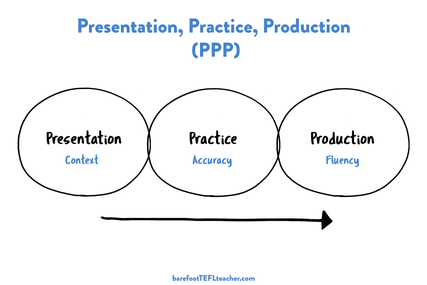
The method used in this lesson is PPP due to the simplicity and systematically approach towards new vocabulary. Even though there are many ways of structuring a lesson, I think this way helps students to be more aware and immerse in the new language. PPP is by far a more acceptable lesson structure than others due to its flexibility that offers students a livelier experience.
Structure
The warmer is always a great way to start a class, regardless of the age, not only is it because it allows students to feel comfortable but also get them to connect with the new vocabulary and sentences of the day. It will give a clue of what the whole lesson will be about, especially because it will allow them to hear and watch the main vocabulary.
The first presentation activity (‘Presentation: Meaning 1’) will give them the chance to immerse and remember the vocabulary watched and recognize them from the flashcards they will see on the board. In the same way, it will allow everybody to participate and make a more collaborative environment so they can feel more relaxed and confident. Independently of the language level, it will be a really good opportunity to improve their visual learning way.

‘Presentation: Meaning 2’ will allow students to form a better understanding of how each job is written and most importantly they will be able to spell them correctly and associate them faster. I would expect some students to struggle with the pronunciation of the words, especially with the words that have the “R” sound due to their L1. Therefore, CCQs will be an important part so that I can be aware of the level of understanding amongst the learners.
In ‘Presentation: Form’ stage the students will participate by unscrambling the words written on the board, as a whole class. As for me, this exercise will boost their confidence and at the same time it will make them aware of the spelling of each of the vocab words learned. Furthermore, the mere fact that they all participate in the class, it will create a great learning environment.
‘Presentation: pronunciation’ stage is another important stage since all the students will be pronouncing each of the vocab words. This stage will be done patiently in order to have good results when pronouncing the words reason why the teacher will chorus each word and paying close attention to the stressed syllables in each word and showing them on the board (visual cues). In the same way, the level of importance in showing the mouth movement is high so that students can be more aware of how they need to move their, lips, tongue and mouth so that they can pronounce the words in the best way possible since their L1 might interfere.
In Controlled Practice 1. As a good way of having students practice the new vocab, a wordsearch game is a great option. Furthermore, a game like this one helps students enjoy the process of learning whilst enjoying and not worrying too much about the aim of the lesson. This wordsearch may be fast or slow depending on the agility of students in finding the words and in the same way it allows them to make quick cognitive connections between the description and the target language.

In Controlled Practice 2. In this stage another game will be developed. However, this time it is address to practice the speaking and pronunciation. As this game is about asking and answering questions it will create a more friendly environment and cooperative so it triggers students desire to help one another but most importantly without judging. Furthermore, the likelihood in improving their comprehension of the target vocabulary will significantly increase.
Production might not be the longest stage but that doesn’t mean it is the less meaningful one. Nevertheless, it will provide students the opportunity to use the language in a relaxed and funny way by guessing what the teacher or even them roleplay. Of course, we might face some issues especially with the students who are shy but even this is another good chance to make them feel they have nothing to be afraid of by enjoying how each one of the students and/or teacher roleplays. For sure this kind of activities will help shy students to build up more confidence.
All in all, this stage witnesses the students achieving the aim of the lesson – using the new vocabulary and building up the new sentence structure, reason why monitoring is always present during any activity.
Potential Issues
One of the issues is having too shy students or students who are afraid of making mistakes in front of others, so If this were to happen in any of the activities, I would make them feel comfortable by telling them that mistakes are the most important in the process of learning and that everyone in class is there to learn and help one another.
Other Considerations
I would have loved to have more time so that I could have done more activities to ensure the learning, however, on review, I thoroughly believe that games are a great way to consolidate information.